Questions to Ask Before Hiring Septic Services in Wantage NJ

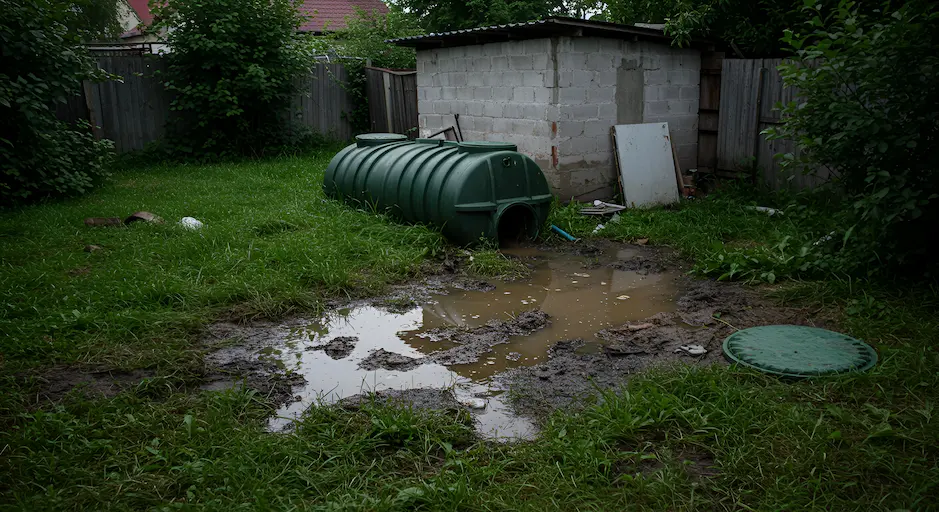

A septic system tends to stay out of sight until it demands attention, and when it does, the pressure is immediate. A slow drain, sewage odor in the yard, soggy ground near the tank, or a backup into the lowest bathroom can turn an ordinary week into a scramble for help. In Wantage, where many properties rely on private septic rather than municipal sewer, that urgency is common. It is also where homeowners can make expensive mistakes if they hire the first company that answers the phone.
I have seen the same pattern more than once. A homeowner is worried, the lawn is wet, guests are coming for the weekend, and someone promises a quick fix. The truck shows up, the tank gets pumped, and for a few days everything seems fine. Then the toilet starts gurgling again because the real issue was a collapsed baffle, a blocked outlet line, or a saturated field that had been struggling for years. The pumping was not wrong, it just was not the full diagnosis.
That is why the best hiring decision starts with questions, not assumptions. Good septic contractors expect thoughtful questions. In fact, the stronger the company, the more comfortable they usually are answering them in plain language.
Why the right questions matter in Wantage
Wantage properties vary more than many homeowners realize. Some homes sit on older systems that were installed decades ago under different standards. Others have additions, finished basements, or larger households than the original design ever anticipated. Soil conditions, slope, tree roots, seasonal groundwater, and winter weather all affect how a system performs. A contractor who understands local conditions can spot issues a generic drain company may miss.
That local knowledge matters because septic work is rarely one size fits all. Pumping intervals depend on tank size and household use. A wet spot near the field might point to hydraulic overload, but it could also reflect runoff patterns or a broken line. A smell indoors could come from a full tank, yet sometimes the cause is a dry trap, a venting issue, or a lid that no longer seals well.
When you speak with septic services in Wantage NJ, you are not just hiring someone to move waste from a tank. You are hiring judgment. The quality of that judgment affects your repair bill, your landscaping, your home value, and in some cases your ability to complete a sale or satisfy a lender.
Start with licensing, insurance, and the scope of work
This is not the glamorous part of hiring, but it is foundational. Septic work touches public health, excavation risk, and property damage risk. A legitimate company should be able to explain what services it performs and what credentials or registrations apply to those services.
Ask whether the company handles pumping only, inspections only, repairs, installations, or some combination. A lot of confusion comes from homeowners assuming every septic company does everything. Some firms specialize in maintenance and pumping. Others are set up for diagnostics and excavation. There is nothing wrong with specialization, but you need to know what you are buying.
Insurance matters for obvious reasons, especially if heavy trucks will cross a driveway, septic lids will be opened, or digging equipment will be used near buried utilities, walkways, fences, or irrigation. If a company seems irritated by this question, take note. Professionals are used to it.
It also helps to ask who will actually perform the work. A company may have an excellent reputation, but if it subcontracts key tasks or sends a crew with limited experience, your results can vary. You want to know whether the person diagnosing the problem has real field experience with septic systems, not just general plumbing.
Ask how they diagnose the problem before recommending a fix
This question separates careful contractors from guessers. If the recommendation comes too fast, that is a warning sign. Septic symptoms overlap. Slow fixtures can point to a full tank, but they can also signal a clogged house sewer line. Odors outside might come from a tank issue, though they can also stem from venting or even disturbed lids after mowing or yard work.
A sound contractor should explain how they determine whether the issue is in the tank, the inlet, the outlet, the line to the field, the distribution box, or the field itself. Sometimes that means pumping first so the tank components can be inspected. Sometimes it means checking liquid levels, evaluating flow, or tracing where backup occurs. The key is that there should be a method.
If you hear a blanket statement like, “It always just needs pumping,” be cautious. Pumping is maintenance, not a cure for every failure. On the other hand, if someone jumps immediately to a full replacement without discussing inspection findings, that deserves scrutiny too. Septic replacement can be necessary, but it should follow evidence.
A good follow-up question is whether they will show you what they found. Many reputable contractors are willing to walk you through the issue at the tank or explain it with photos. That transparency helps a homeowner make decisions with confidence rather than fear.
The questions worth asking on the first call
When homeowners call in a rush, they often forget what to ask. It helps to keep a short framework in mind.
- What do you think the likely causes are based on my symptoms, and how will you confirm them?
- Are you licensed and insured for this specific type of septic work?
- Will you provide a written estimate that separates pumping, inspection, repair, and any excavation?
- What are the possible outcomes once the tank is opened or the system is tested?
- If you find a larger problem, what are my options before major work begins?
These questions do not need to sound formal. The point is to learn how the company thinks. Clear answers usually signal experience. Evasive answers usually signal trouble.
Pricing should be clear, not magically cheap
Price matters, and every homeowner has a budget. Still, septic pricing can become misleading when estimates are vague. A low quote for pumping may omit digging to locate lids, disposal fees, weekend surcharges, filter cleaning, or additional labor if the tank is deeper than expected. That does not make the company dishonest by default, but it does make comparison shopping difficult unless you ask for specifics.
The best estimates separate routine service from unknowns. For example, a company may quote a pumping fee within a typical range, then explain that additional charges apply only if the lids are buried, the tank is unusually large, or heavy roots have complicated access. That is a reasonable approach. It tells you what is included and what might change.
Ask whether the estimate covers both compartments if the tank has more than one, whether the effluent filter will be checked, and whether the contractor will inspect baffles if conditions allow. A homeowner can pay for a pump-out and assume the whole system was evaluated when, in reality, only the minimum service was performed.
Very cheap pricing often comes with shortcuts. I have seen cases where a tank was only partially pumped, solids were left behind, or basic inspection was skipped entirely. A proper service visit takes time. If one quote is dramatically below the others, ask what is missing rather than celebrating too early.
Find out how familiar they are with older and problem systems
Not every septic company is equally comfortable with aging systems. In rural and semi-rural areas like Wantage, plenty of homes have tanks and fields that have been altered over time, sometimes with undocumented repairs, additions, or landscaping changes. An experienced contractor understands that the drawing on file, if it exists, may not fully match what is underground now.
That experience becomes critical when the system is hard to locate, the lids are buried, or previous owners made changes that affected drainage patterns. A crew that works in the area regularly often recognizes the kinds of layouts and materials common in local properties. They may know, for instance, when to suspect broken concrete lids, root intrusion in older lines, or field stress after long wet periods.
It is worth asking how often they work on systems of your age and type. If your home is several decades old, ask whether they commonly inspect older baffles, steel components, or outdated access points. If you recently bought the home and know very little about the system, say that upfront. A good company will adjust the visit accordingly rather than pretending the unknowns do not matter.
Ask what routine maintenance should look like for your household
One mark of a reliable septic contractor is that they do not just solve today’s issue. They help you understand what future care should look like. That guidance should be specific to your property, not a canned script.
A three-bedroom home with two full-time adults does not load a system the same way a five-person household with frequent guests does. A garbage disposal increases solids. So does heavy use of so-called flushable wipes, which are not septic friendly in practice. A water softener, leaking toilet, or seasonal occupancy pattern can also change maintenance needs.
Ask how often they recommend pumping for your tank size and household use. If they answer with a rigid one-size rule and no further questions, that is not very useful. Real recommendations depend on usage patterns. Many systems fall somewhere in a broad range of every two to five years, but the right schedule depends on facts.
A contractor with good field sense may also notice habits that put stress on the system. For example, washing several loads of laundry back to back can overwhelm a marginal field even if the tank is not overdue for pumping. That kind of practical advice is often more valuable than the service itself because it can postpone major repairs.
Repairs, replacements, and how options should be explained
Septic work can escalate quickly once a problem is uncovered. A cracked lid may be straightforward. A failed outlet baffle might still be manageable. A saturated drain field is more serious, especially if the site has limited space or challenging soil. This is where homeowners need the company to explain choices clearly.
Ask whether the issue can be addressed with maintenance, a targeted repair, partial component replacement, or whether a larger system correction may be needed. Then ask what evidence supports that recommendation. If replacement is being discussed, find out whether the existing tank, lines, or field have been tested enough to rule out narrower fixes.
A trustworthy contractor should be able to discuss trade-offs. A minor repair may restore function for a while but not solve underlying age-related decline. A larger repair may cost more now but reduce repeated service calls. Those are judgment calls, and there is no universal right answer. What matters is that you are given a real basis for deciding.
When costs reach into major repair territory, it is reasonable to seek a second opinion. Strong companies understand that. They may even encourage it if site conditions are complex.
Permits, inspections, and paperwork are part of the job
Homeowners often focus on the truck in the driveway and forget about documentation. For routine pumping, paperwork may be simple. For repairs, alterations, or replacement, permit and inspection requirements can become part of the process depending on the work involved. You do not need to become a https://anotepad.com/notes/6ea6q6ye code expert overnight, but you do need to know whether the contractor will handle those steps or whether you will be expected to manage them.
Ask what paperwork you will receive after service. For pumping, that might include a record of the service date and observations about the tank condition. For inspections, especially around a real estate transaction, the report should clearly state what was inspected, what was not, and any limitations. For repairs or replacement, written scope, permit responsibility, and follow-up inspection expectations should all be discussed.
This matters later. If you sell the property, if a lender asks questions, or if the problem returns, clear records help. They also make it easier to establish a sensible maintenance history for the next service provider.
Availability matters, but so does how they handle emergencies
Emergency response is important. Septic backups do not wait for a convenient slot next Tuesday. But fast scheduling alone should not be the deciding factor. Ask what happens if the visit reveals a bigger issue than expected. Do they have the capacity to return promptly for repair work? Can they provide temporary guidance to reduce household use safely? Will they explain what you should avoid flushing or draining until the issue is resolved?
I have known homeowners who chose a company simply because it arrived first, only to learn that the same company could not handle the repair phase for another week. Meanwhile the household was stuck limiting water use and trying not to trigger another backup. Speed matters, but continuity matters too.
For septic services in Wantage NJ, local responsiveness can be a real advantage during weather swings and busy seasons. Heavy rain, frozen ground, and spring thaw can complicate diagnosis and access. A contractor who works nearby often has a more realistic sense of scheduling and site conditions than someone driving in from farther away.
Red flags that deserve your attention
Most septic companies are not trying to mislead anyone, but some warning signs are too important to ignore.
- They recommend expensive work before inspecting the system in a meaningful way.
- They refuse to provide written estimates or keep the scope so vague that comparison is impossible.
- They dismiss your questions or act annoyed when you ask about insurance, process, or options.
- They claim every problem has the same fix, usually pumping or total replacement, with no middle ground.
- They pressure you to decide immediately without explaining what they found.
A septic contractor does not need perfect bedside manner to be excellent at the work. Some of the best field technicians are direct and brief. But there is a difference between blunt professionalism and evasiveness.
Ask for practical homeowner guidance before the truck leaves
One of the most useful questions is also the simplest: “What should I do differently after today?” That question often opens the door to practical advice that saves money.
A contractor may tell you to spread out laundry loads, repair a running toilet, stop using certain additives, keep vehicles off the field, or redirect roof runoff away from saturated areas. They may also tell you what to watch for over the next few weeks, such as recurring odor, slow drainage, or water surfacing after heavy use. Those observations can help catch a problem early.
This is also the right moment to ask where the tank, lids, and field are located if you were not sure before. Too many homeowners lose that information again after service. A quick sketch, a marked photo, or even measurements from a corner of the house can spare future digging and guesswork.
The best hire usually sounds steady, not flashy
Septic work attracts a lot of marketing language, but the companies worth hiring tend to sound grounded. They ask you questions about symptoms. They explain their process. They tell you what they know, what they do not know yet, and what they expect to learn once the system is opened or tested. They do not rely on fear, and they do not promise miracles.
That steadiness matters because septic systems are practical pieces of infrastructure. They reward careful maintenance and punish neglect, shortcuts, and wishful thinking. The contractor you hire should reflect that same mindset.
If you are comparing septic services, listen closely to how each company talks about uncertainty. Anyone can sound confident when the answer is simple. The real professionals are the ones who can stay clear and honest when the problem is not simple at all. In septic services, that honesty is often the difference between a routine service call and a long, expensive lesson underground.
Excavating New Jersey LLC
Address: 406 County Rd 565, Wantage, NJ 07461
Phone number: +19737914284
FAQ About Septic Services Wantage NJ
What is the average cost to get a septic tank emptied?
Emptying a septic tank costs between $290 and $560 on average, with most homeowners paying about $420. Prices vary based on tank size.
What is septic service?
Septic service inspects, pumps, cleans, and maintains a septic tank. A septic tank is a large, underground container that collects and treats wastewater from your home. Over time, sludge, scum, and other debris, like hair and solids, can build up in your tank and clog your drain field.
How often should you have a septic tank serviced?
A standard septic tank should be inspected every 1 to 3 years and pumped every 3 to 5 years. However, the exact schedule depends on your tank's capacity, household size, and daily water usage.